
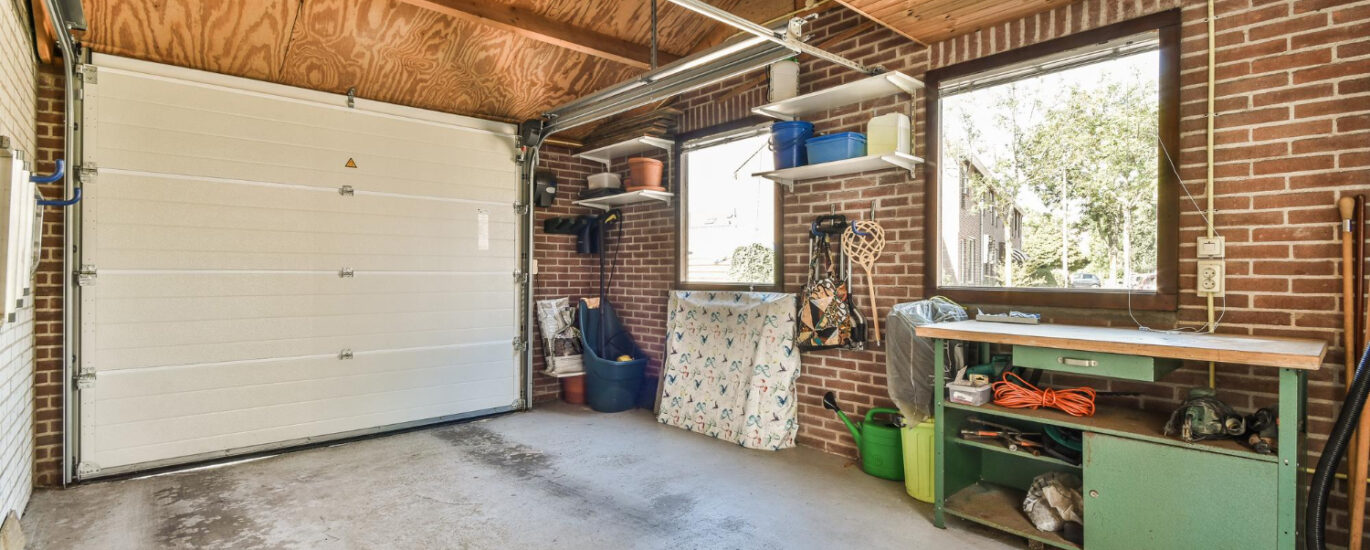
A lot of San Jose homeowners reach a point where the house just feels too tight. Maybe a parent is moving in, kids are getting bigger, you need a real office, or you would like a small rental space. At the same time, the idea of a long backyard build with big site work and months of disruption can feel overwhelming.
That is where a garage conversion in San Jose often shines. Instead of starting a new accessory dwelling unit, or ADU, from scratch, you turn the space you already have into real, comfortable living area. In a city with smaller lots and close neighbors, that difference can matter a lot. In this guide, we will talk through when a garage conversion can be the smarter path, what tradeoffs to think about, and how a design-build approach can keep the process organized and calm.
First, a quick look at the two main options.
A garage conversion means transforming an existing attached or detached garage into conditioned living space. The basic shell is already there, so the work usually focuses on upgrading the structure, adding insulation, plumbing, electrical, windows, and finishes.
A new ADU is a separate small home or a major addition built from the ground up. It needs its own foundation, framing, roof, and full set of utilities.
Key differences in scope include:
Structural work:
Design freedom:
Parking and storage:
Lifestyle details matter too:
For many properties, a garage conversion in San Jose brings clear advantages in time and effort.
On the cost side, reusing the foundation, walls, and roof means the project does not start from bare dirt. The structure still needs to meet current standards, but working with an existing shell often makes the scope more focused. Homeowners sometimes find that this lets them put more of their budget into:
Timeline can also be more predictable. Since there is less excavation and site work, there are usually fewer surprises underground. Design, permits, and construction can move in a smoother line, which is helpful when you want the space ready for a certain season, visiting family, or a work deadline.
San Jose has ADU and conversion friendly rules, but they still need to be followed carefully. When plans are shaped with those rules in mind from day one, plan review can be more straightforward. That is one of the big benefits of a design-build team handling both the design and the construction planning at the same time.
There is also the day-to-day impact. With a garage conversion:
Compared to a new backyard unit, many families feel the disruption is easier to live with.
A raw garage can look like a plain box, but it has the bones for a beautiful, finished space. Thoughtful design is what makes it feel like a natural part of your home instead of an afterthought.
To bring in light and air, we often look at:
Inside, details make the difference. Vaulted ceilings, exposed beams, or well-planned soffits can add character. Custom trim, wall paneling, and carefully chosen fixtures tie the new room into the rest of the house, which is especially important for luxury interiors.
Smart space planning is key. A converted garage can work as:
Since you are giving up traditional garage storage, built-in solutions often become part of the design. That can include wall units, window seats with storage, closet systems, and better organization in other parts of the home to replace what the garage used to hold.
Comfort upgrades round it out. Proper insulation, soundproofing, and an efficient HVAC solution help the space feel just like the main house, even on hot South Bay afternoons or cooler winter nights. Flooring, lighting layers, and finish selections are chosen to create a smooth visual transition so the room feels like it was always meant to be there.
Garage conversions touch structure, code, utilities, and interior design all at once. That is why a design-build process is so helpful.
It often starts with an onsite look at:
From there, designers and builders work together early. Structural questions, head height, drainage, and safe access routes get solved on paper before anything goes to the city. This reduces back-and-forth later and keeps the project realistic from day one.
San Jose rules around ADUs, parking, and conversions are detailed. A team that works with them often can coordinate zoning checks, plan requirements, and permit drawings so that submittals line up with what the city expects. Handling city comments and inspections is part of that support, which takes pressure off the homeowner.
During construction, a clear schedule helps keep your main home as functional as possible. Staging work, keeping paths clean, and planning inspections at the right times all help the project stay on track. Careful finish work and steady communication help the final space meet high expectations while still respecting the original budget and agreed timeline.
There is no single right answer for every San Jose property. To choose between a garage conversion and a new ground-up ADU, it helps to ask:
A new ADU may still be better when you want maximum privacy, plan on a long term tenant, or have a lot layout that supports a separate small home. If the existing garage has major structural issues or sits in a tricky spot, starting fresh can also make more sense.
On the other hand, when the goal is added living space with a smoother build process, a garage conversion in San Jose can be a very smart upgrade. Many homeowners find that talking through both options with a design-build team, looking at their specific site, and reviewing rough layouts is what makes the choice clear and helps them move forward with confidence.
If you are ready to unlock extra living space and add real value to your home, we can help you plan the ideal garage conversion in San Jose. At True Builders, we walk you through every step, from design ideas to permits and construction, so you always know what comes next. Take a look at some of our completed work, then contact us to talk through your goals and timing. We will listen to your needs, answer your questions, and provide a clear path to get your project moving.