
Author: Daniel L.
Turning your garage into living space is one of the most practical ways to get more room without leaving your Mountain View neighborhood. Instead of competing for a larger home, you can reshape space you already own and make it match how you live now. That might mean a quiet office, a place for guests, or a small home within your home.
A Mountain View garage conversion can become a guest suite, a rental ADU, a hangout for teens, or a flex room that changes with your life. The key is planning it the right way from the start. As a design-build team, we handle design, permits, and construction together, so the space fits your needs and also lines up with local rules and the character of nearby homes.
Before sketching floor plans, it helps to know how the city looks at garage conversions. Small zoning details can change what you are allowed to build and what the review path looks like.
Some of the main planning points include:
Often, a straight garage conversion that stays within the existing walls is simpler than a brand-new structure. If the space will be a separate unit with a kitchen, it will usually be treated as an ADU, which brings its own set of state and local rules. Current California ADU laws can speed up some reviews, but only if the plans are drawn to match those rules.
On the permit side, you may work with both Planning and Building. Planning looks at how the project fits the lot, parking, and use. Building checks structure, safety, and energy code. Common items that come up include:
When we start a garage conversion, we review these points early so there are no surprises halfway through design.
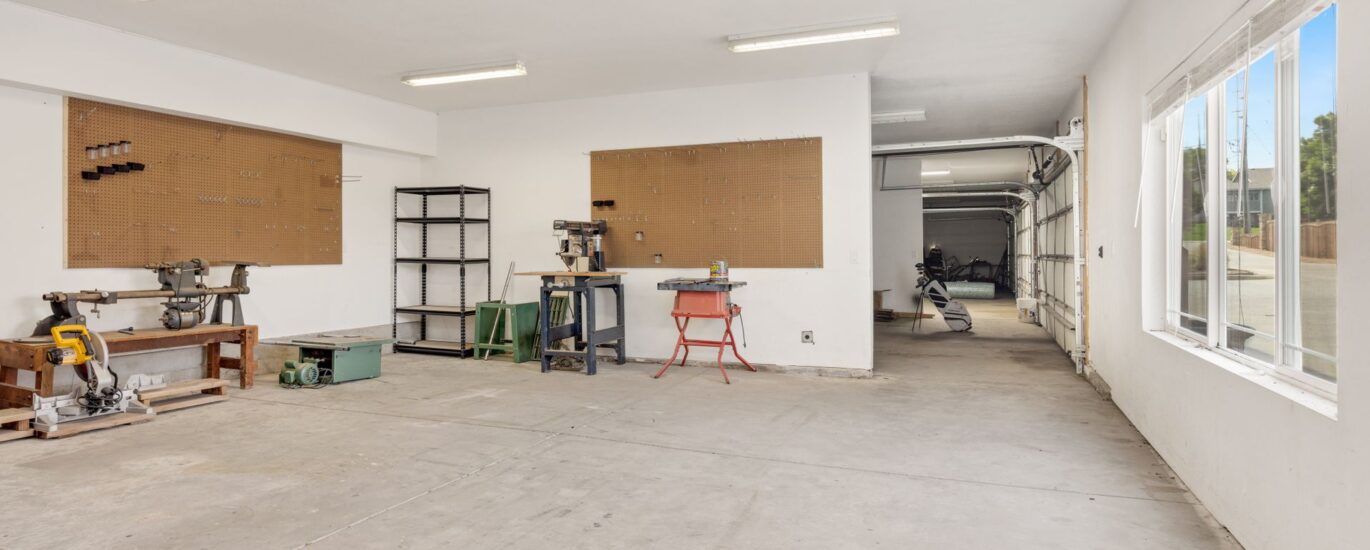
A garage usually starts as a dark, echoing box. The goal is to turn it into a room that feels like it was always part of the home. Thoughtful layout and lighting go a long way.
We like to start by asking how the space will be used in the first few years and how it might shift in the future. From there, we look at:
Comfort also depends on the “invisible” parts of the room. Garages are often cold in winter and stuffy on warm days. To fix that, we look at:
Because walls and ceilings will be open, it is a smart time to think ahead. Future-proofing might include:
Good planning here means you will not have to open walls back up a few years down the road.
Every garage and every lot is different, so budgets and schedules are shaped by the specific site and scope. Instead of throwing out numbers, we focus on the main things that tend to move a project up or down in cost.
Common drivers include:
A typical project moves through a few phases:
Clear decisions early on, such as layout, rough finish level, and whether the space will be an ADU, help keep the schedule steady. Many homeowners aim for a move-in date later in the year, so starting design and site walks now can line things up well.
Older garages sometimes hide issues that only appear once framing is open. The most common surprises we see are:
A detailed site assessment at the start, including checking the slab, framing, and existing systems, lets us plan for these items instead of reacting to them mid-build.
Garage conversions touch design, structure, energy, and zoning all in one small space. When design and construction are under one roof, it is easier to keep all of those pieces aligned. As a design-build firm, we manage plans, engineering, permits, and the build itself as a single path rather than as separate hand-offs.
That gives you:
We find that close collaboration with Mountain View homeowners always leads to better results. Sometimes that means phasing noisy work around work-from-home calls or kids’ routines. Other times it means adjusting the scope to keep the project aligned with a set budget while protecting the most important parts of the design. Layout puzzles, like where to tuck a compact kitchen or how to keep a window off a neighbor’s yard, often turn into creative solutions when everyone is at the same table.
Working in a neighborhood also means being mindful of neighbors and city staff. Coordinating inspections, handling questions about parking or construction noise, and responding to city comments are all part of the process. Our goal is to keep that process structured and predictable so the project feels like a series of clear steps instead of a maze of forms and site visits.
If you have been staring at a half-empty garage and wishing it did more for your home, this is a good time to start shaping that idea into a real plan. Early planning gives room to walk the site in different light, talk through how the space might be used, and set a realistic path toward a finished, comfortable room.
Before speaking with a professional team, it helps to gather a few things: rough thoughts on how the space should function, any old plans or permits you might have, and a general budget range that feels comfortable. At True Builders, we use those pieces to review your specific garage, talk through Mountain View requirements, and map out a clear, customized route from first concept to a finished conversion that feels like it truly belongs to your home.
If you are considering a Mountain View garage conversion, we are ready to guide you from initial concept through final inspection. At True Builders, we focus on thoughtful design, clear communication, and high-quality craftsmanship so your new space feels like a natural extension of your home. Share your ideas and goals so we can provide a tailored plan, accurate timeline, and transparent estimate. To schedule a consultation or ask questions, simply contact us today.