

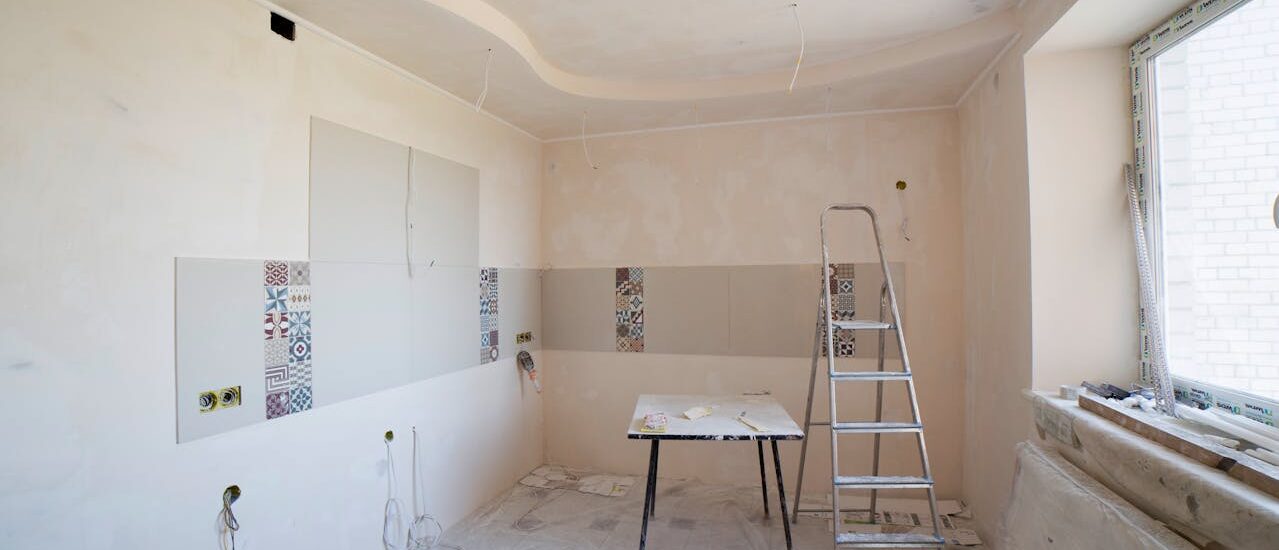
Starting a remodel in San Jose without doing your homework on permits, utilities, and neighborhood rules is a fast way to hit delays. Before a trusted San Jose general contractor can swing a hammer, the city and your utilities need to be on board, and your neighbors and HOA need to know what is coming.
Late spring and summer are popular times to remodel. The weather is dry, the days are longer, and school breaks make it easier for families to manage disruption. That also means city reviewers, inspectors, and contractors are in high demand. The more “permit-ready” you are, the better your chance of starting work on time.
This checklist walks through the big pieces to confirm before you hire a contractor: zoning and permits, utilities, neighborhood and HOA rules, and how all of this connects to your budget, schedule, and contract. When these parts are clear, the build itself tends to feel calmer and more predictable.
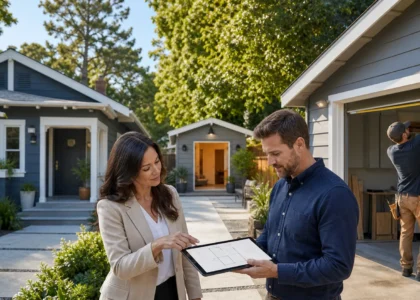
Before you pick finishes or sketch layouts, it helps to understand what the City of San Jose will actually allow on your lot. Zoning rules define how high you can build, how close you can get to property lines, and how much of your lot you can cover with structures.
Key zoning and use topics to check early include:
These rules shape everything from the footprint of a new kitchen addition to whether an ADU fits at all. Adjusting the design after you submit plans can mean starting over, so it pays to get clear first.
Next, figure out which permits your project will need. For most San Jose remodels and additions, you may be looking at:
City review takes time. Processing windows can stretch during busy months, especially for more complex projects. A trusted San Jose general contractor who knows local processes can help anticipate which departments need to see your plans and what reviewers usually flag, which often means fewer surprises and resubmittals.
Next, look at the “invisible” infrastructure that will support your new space. Older homes in San Jose often have electrical and gas systems that were never designed for a modern kitchen, spa bath, or ADU.
Have a professional check:
If your panel is undersized or your sewer line is failing, those upgrades will affect both your design and schedule. For example, adding a high-end kitchen may trigger a required service upgrade.
Relocations and trenching can also be a big factor. Moving a gas meter, main panel, or underground line can:
Because utilities are tied into city and utility company timelines, you also need to plan outages. That includes:
When utility steps are built into the project schedule from the start, work can flow instead of stop and start.
Even if the city says yes, your neighborhood or HOA might have its own rules. In many San Jose communities, these limits can be just as important as zoning.
Common HOA or neighborhood guidelines include:
Ignoring these rules can lead to fines or forced changes in the middle of construction. It is usually easier to share early design ideas with your HOA or neighborhood committee and get feedback before you finalize plans.
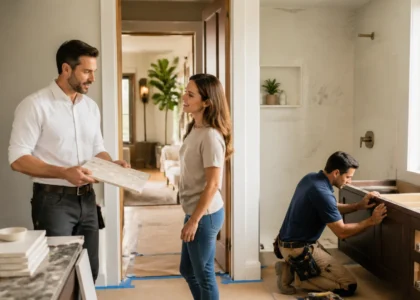
It is also smart to think about how your project will affect the people next door. Noise, dust, and parking can stress relationships when work goes on for months. We suggest:
Design that fits the general look of your block can help with resale value and tends to face less resistance. While you do not need to copy every house around you, aligning roof lines, window rhythms, and general style keeps your remodel from feeling out of place.
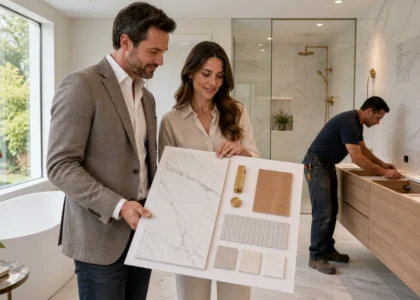
Once you understand permits, utilities, and neighborhood rules, you can build a more realistic plan. Many homeowners only budget for visible construction, then get hit with extra costs and delays from the hidden items above.
Try to include:
The order of events matters too. For a smoother ride, it helps to:
This gives your general contractor a clear target when pricing, which often leads to fewer change orders later.
Your construction contract should reflect all these moving parts.
When everyone knows who is responsible for each piece, problems are easier to solve and blame games are less likely.
Bringing in a trusted San Jose general contractor early can tie all of this together. At True Builders, we work as a design-build team, so design, engineering, and permitting move in sync instead of in separate silos.
You can also use this checklist as a guide when you talk with potential contractors. Ask about recent projects in your area, how long their permits usually take, and how they handled utilities and neighbor concerns. The answers will tell you a lot about how your own project might go once the work begins.
If you are ready to move forward with a remodel or new construction, we are here to help you plan every detail. As a San Jose trusted general contractor, True Builders can show you real project examples so you know exactly what to expect. Tell us about your goals, budget, and timeline, and we will provide a clear path from concept to completion. Reach out through our contact page to schedule a consultation.



Safe and straightforward to use, the live match stats update perfectly so I can make smarter bets on the fly. Really happy with how smooth the login process is. npmerolaganilogin
I’ve tried a few sites lately but this one really stands out. The payout speed is impressive and the games are super smooth. Highly recommend phrubycasino to everyone looking for a reliable spot.
Finally found a site that doesn’t lag during peak hours. The game variety here is insane and the rewards are actually fair. Give bat939game a shot, you won’t regret it.