
Author: Yafit G.
Working from home while your house is under construction can feel like trying to answer emails in the middle of an airport terminal: loud, busy, and distracting. Still, many San Mateo homeowners want to keep their jobs running smoothly while also moving forward with a long-awaited remodel.
As a design-build remodeling team, we see this every week. More people are at home during the day, and that changes how projects need to run. In this article, we will walk through how to plan your San Mateo home remodeling project around your remote work, how to set up a temporary work zone, and how smart design can give you a better long-term work-from-home setup.
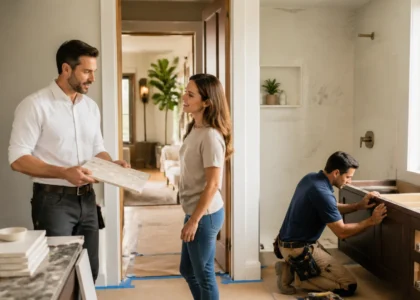
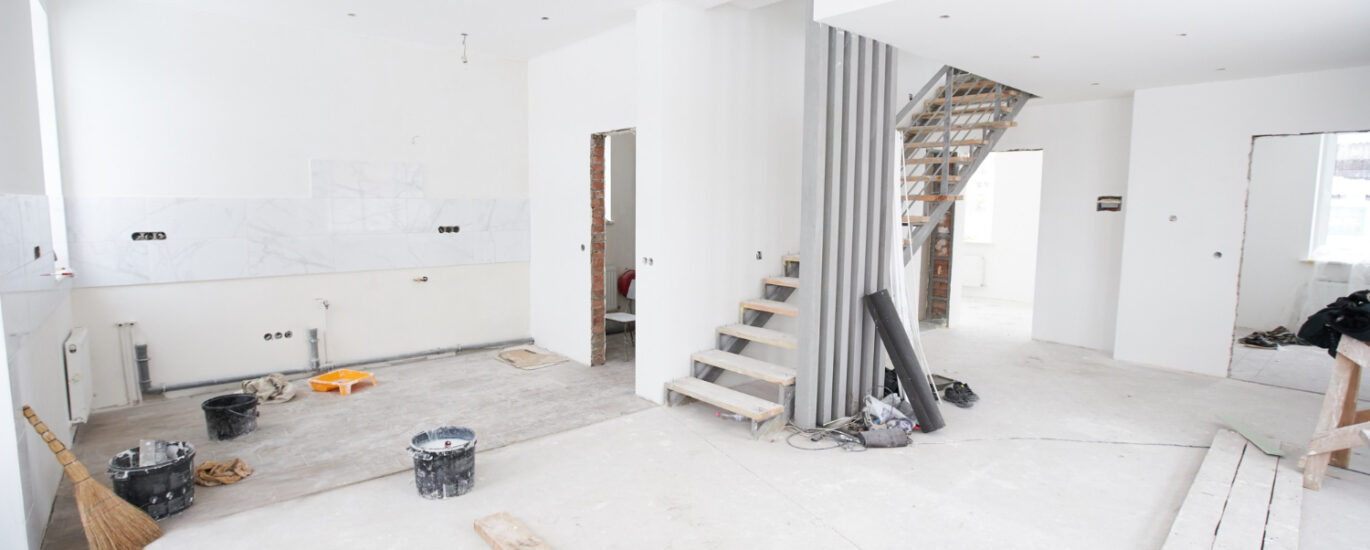
These days, many homeowners are on video calls all day while crews are demoing walls, cutting tile, or installing cabinets nearby. That clash between focus and construction can feel stressful, but with good planning on both sides, it does not have to.
We have seen a clear shift in San Mateo home remodeling goals since more people began working remotely. Homeowners ask for:
The central idea is simple: productivity and progress can live together. With thoughtful design, transparent communication, and a collaborative design-build team, you can keep your projects at work and your project at home moving forward at the same time.
Before a single wall comes down, take time to map how your workday really runs. Think through:
Share this with your remodeling team so they can schedule louder tasks, like demolition, framing, or cutting materials, around your most important windows. When everyone understands your work rhythm, it is easier to protect key hours.
A phased construction calendar helps too. Ask your team to group noisy or messy work into clear blocks, for example:
Season and daylight can also play a role. If your project starts in early summer, you may have the option to start a bit earlier or wrap a bit later some days, which can create more flexible quiet time in the middle. Many homeowners also like to plan a short vacation or a few off-site workdays during the messiest phases, like demolition or flooring, to keep stress low.
Once the schedule is clear, the next step is your temporary workspace. Choose a room that is:
If you have a detached garage or existing ADU, that can be an ideal buffer. Think about how sound travels through floors, vents, and long hallways. Sometimes moving just one level up or down can make a big difference.
Then, soften the noise as much as you reasonably can. Helpful items include:
Power and internet are just as important as quiet. Before work starts, check:
Share your setup needs with your contractor so they can protect key outlets, plan safe temporary power where needed, and avoid surprises that cut off your laptop mid-call.
Good communication can turn a loud, stressful day into a predictable, manageable one. Start by choosing one main channel with your project manager:
Agree on what counts as urgent and what can wait until the next check-in. That alone can ease a lot of mid-day anxiety.
Next, set up a simple routine for updates. Many homeowners like:
House rules help everyone too. Before work starts, write down and share:
Simple signage, like “On a call, please knock” on your office door, can prevent awkward interruptions when you are mid-presentation.
While you are planning your San Mateo home remodeling project, it is a good time to think beyond the short-term chaos. Many homeowners are choosing layouts that make remote work easier for years to come.
Ideas to consider with your design-build team include:
Tech planning is key here. Before walls are closed up, plan for:
Comfort and privacy matter just as much as looks. Think about:
Done well, your “home office” can feel like a natural part of your home, not an afterthought with wires running everywhere.
Remodeling while working from home can feel like a big disruption. There will be dust, noise, and days when things feel a bit out of control. But with clear plans, steady communication, and a layout designed for long-term remote work, that disruption can lead to a much more comfortable and productive daily life.
At True Builders, we focus on craftsmanship and homeowner collaboration, so we pay close attention to how our projects affect your workday as well as your finished home. When we plan together around your schedule, design priorities, and communication style, your San Mateo home remodeling project can support both your current remote work needs and your future vision for how you want to live at home.
Explore how our recent San Mateo home remodeling projects can inspire the next chapter of your home. At True Builders, we take the time to understand your goals so we can deliver a space that truly fits your lifestyle. If you are ready to discuss ideas, timelines, and budget, reach out through our contact page and we will follow up promptly.