
Phasing in residential construction means breaking one big remodel or addition into smaller, planned steps over time. Instead of trying to redo everything at once, we group work into logical phases so you can manage budget and keep your home functional while major work is underway. For many Bay Area families juggling work, school, and limited housing options, phasing is often the only way to move forward without completely disrupting daily life.
Fall is a smart season to start planning. Schedules settle after summer, school routines are clear, and you can look ahead a few months. This is when many San Mateo homeowners start sketching out projects they want to begin after the holidays or in early spring. In this article, we will walk through the key planning and structural questions to ask a trusted home builder in San Mateo about phasing, so the plan fits your budget, your timeline, and your home’s physical constraints.
Phasing is not just for giant custom homes. It often makes sense whenever the work is big enough to be disruptive or hard to fund all at once. Common examples include:
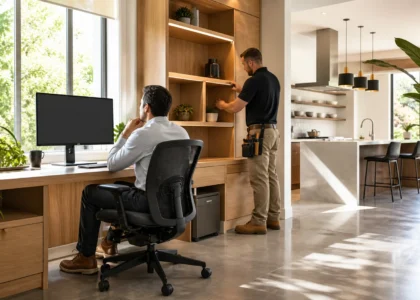
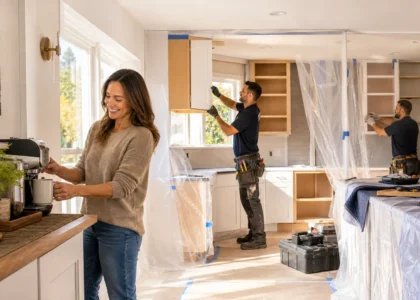
On the Peninsula, many homeowners need to live in the home while work happens. Housing is tight, short-term rentals are not always simple, and many people work from home at least part of the week. At the same time, construction costs and zoning limits mean you want every move to count. Smart sequencing, planned in advance, can help you keep at least part of the home usable during each phase, time noisy or dusty work when it has the least impact, and group structural work and utilities so you only open things up once.
Phasing can be a bad idea when it conflicts with how the house is built. Some work really should be done in one continuous scope, such as:
If splitting the work means multiple rounds of permits, repeat demolition, or tearing into fresh finishes, the extra cost and time might not be worth it. This is where a detailed, honest conversation with your builder about structure, code, and permitting really matters.
When you talk with a trusted home builder in San Mateo about phasing, you want clear, practical answers about design, structure, and permitting. Some good starter questions are:
On the financial side, ask how phasing affects the overall cost. You want to understand whether there are premiums for doing work in separate chunks, where you can combine phases to avoid paying twice for things like demolition or mobilization, and how to avoid temporary fixes that get removed later.
It is also important to clarify the practical logistics of using your home during construction. Talk through which areas of the home will remain accessible during each phase, how the builder will manage noise, dust, and access to bathrooms and entry doors, what safety steps will be used for kids, pets, and home offices, and how parking, deliveries, and trash will be handled on your street.
The goal is a phasing plan that reflects how your home is built, what codes require, and how you need to use the space between phases.
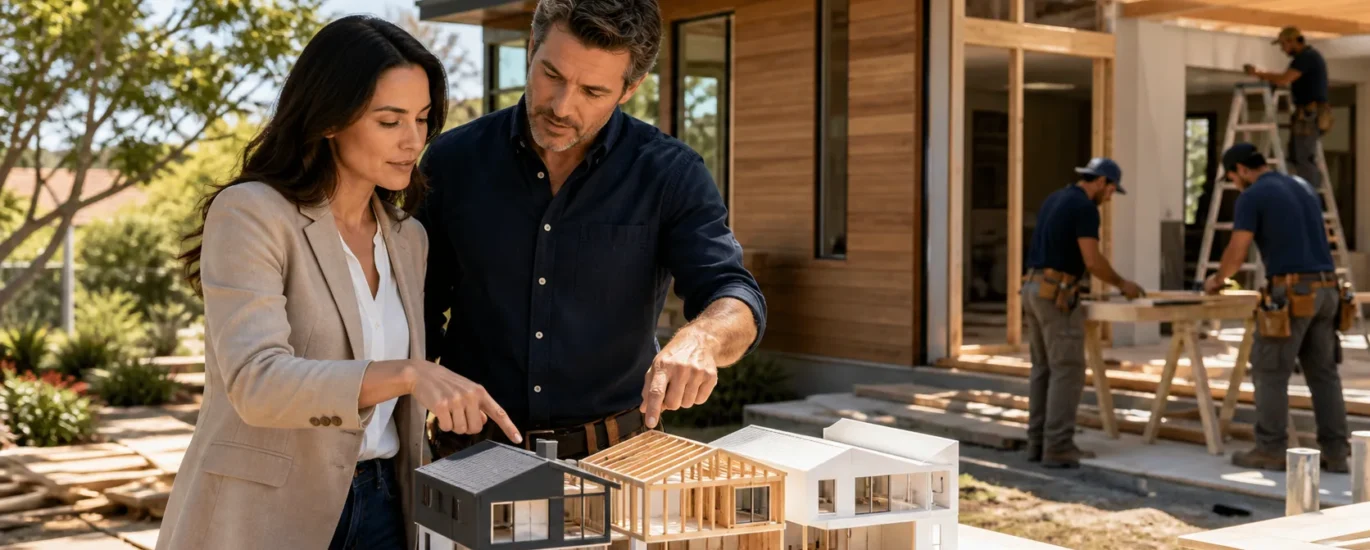
As a design-build team, we like to start phasing conversations early, while we are still working on plans and permits. That way, each phase stands on its own, feels complete, and sets up the next round of work without waste.
A common approach for larger projects might look like this:
The key is to build from one master plan, even if actual construction is spaced out. That master plan should give you one clear design vision that ties everything together, a coordinated structural and engineering approach, and a permit roadmap that avoids surprises and repeat review when possible. This kind of planning helps make sure each phase looks intentional and technically consistent, not like a patchwork of mini projects.
Phasing adds time, and time adds risk. Codes can change. Products can go out of stock. City review rules can shift. A thoughtful builder plans for that by choosing materials and systems with stable supply when they matter long term, reviewing current building codes and anticipating potential changes where possible, and building in flexibility if an item or detail has to change midstream.
Thorough documentation is another key piece. Between phases, we like to leave a clear trail of:
This protects you if future work happens later, even with another team. Everyone knows what is inside the walls and what choices were made earlier.
Schedule transparency also matters. A trusted home builder in San Mateo should be upfront about realistic start and finish windows for each phase, buffers for weather, inspections, and supply issues, and how often you will get updates and what they will cover from a construction- and permit-progress standpoint. Each stage should feel like a planned step toward the bigger goal, not a separate, improvised project.
If you are thinking about a remodel, addition, or ADU in the next few years, fall is a good time to start the technical and planning work. You can:
When you sit down with our team at True Builders, it helps to bring:
From there, we can work together to shape a phased, permit-smart roadmap that fits your home, your lot, and your long-term plans, while keeping each phase efficient and aligned with code and structural requirements from the first sketch to the final phase.
As a trusted home builder in San Mateo, we are ready to listen to your goals and guide you through every step of your new home or remodel. At True Builders, we focus on clear communication, thoughtful design, and quality craftsmanship that fits your budget and timeline. Tell us what you envision, and we will help you turn it into a plan you can feel confident about. Reach out through our contact page to schedule a consultation and move your project forward.
Author: Daniel L.